



Llama Shuffle — by Barking Llama
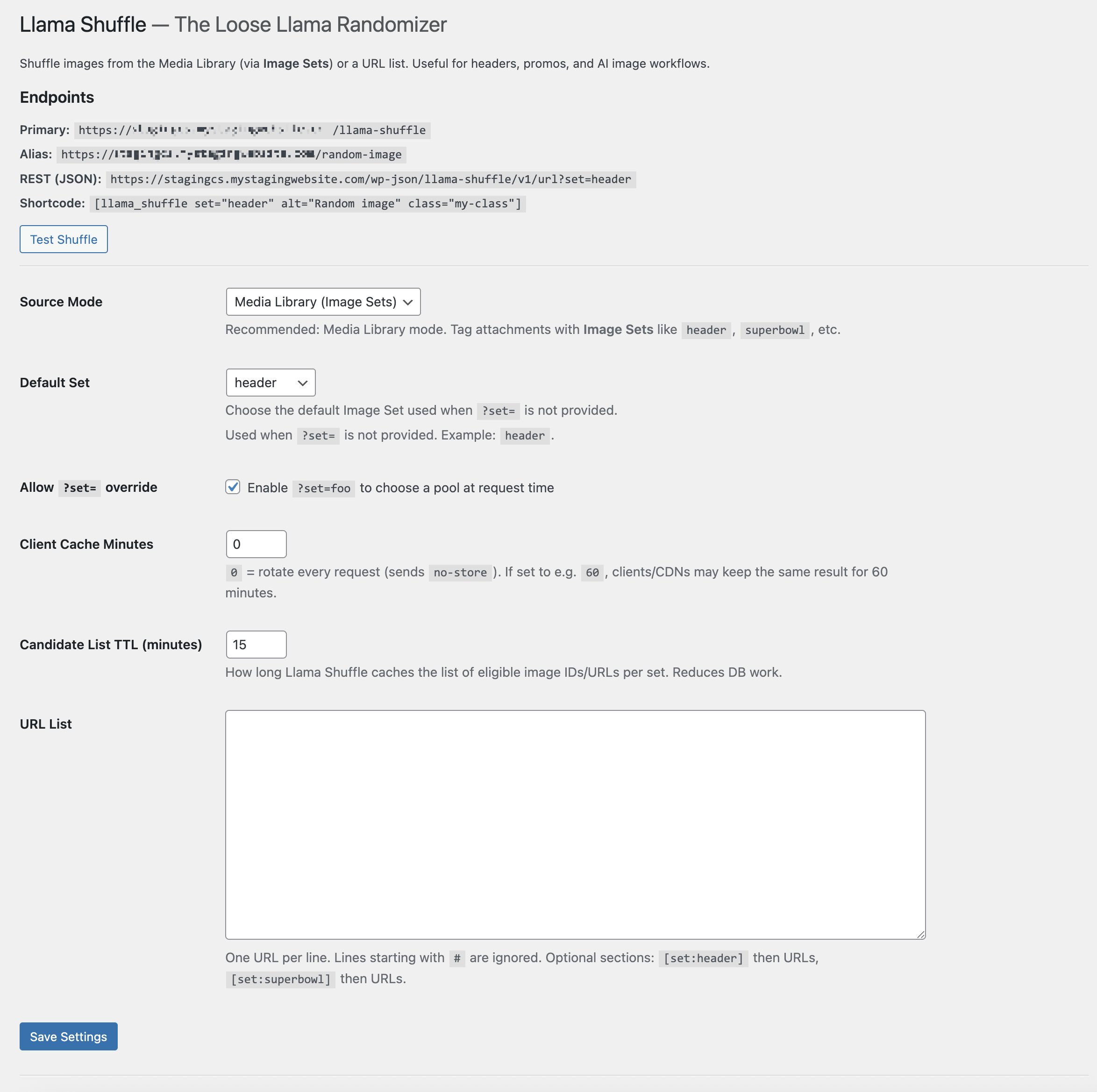
Llama Shuffle is a lightweight utility plugin that lets you serve a random image from your WordPress Media Library or a list of URLs.
It is designed to be:
* Host-agnostic (works on managed hosts like Pressable, WP Engine, Kinsta)
* AI-friendly (no redirects required when using the REST endpoint)
* Simple, fast, and free — no upsells, no tracking, no external services
Common use cases:
* Random header or hero images
* Promotional image rotation
* AI image reference workflows
* Lightweight image shuffling without sliders or page builders
Images can be grouped using Image Sets (a custom Media Library taxonomy), or supplied via a plain-text URL list.
Built by Barking Llama Designwerks.
Features
- Random image selection from Media Library attachments
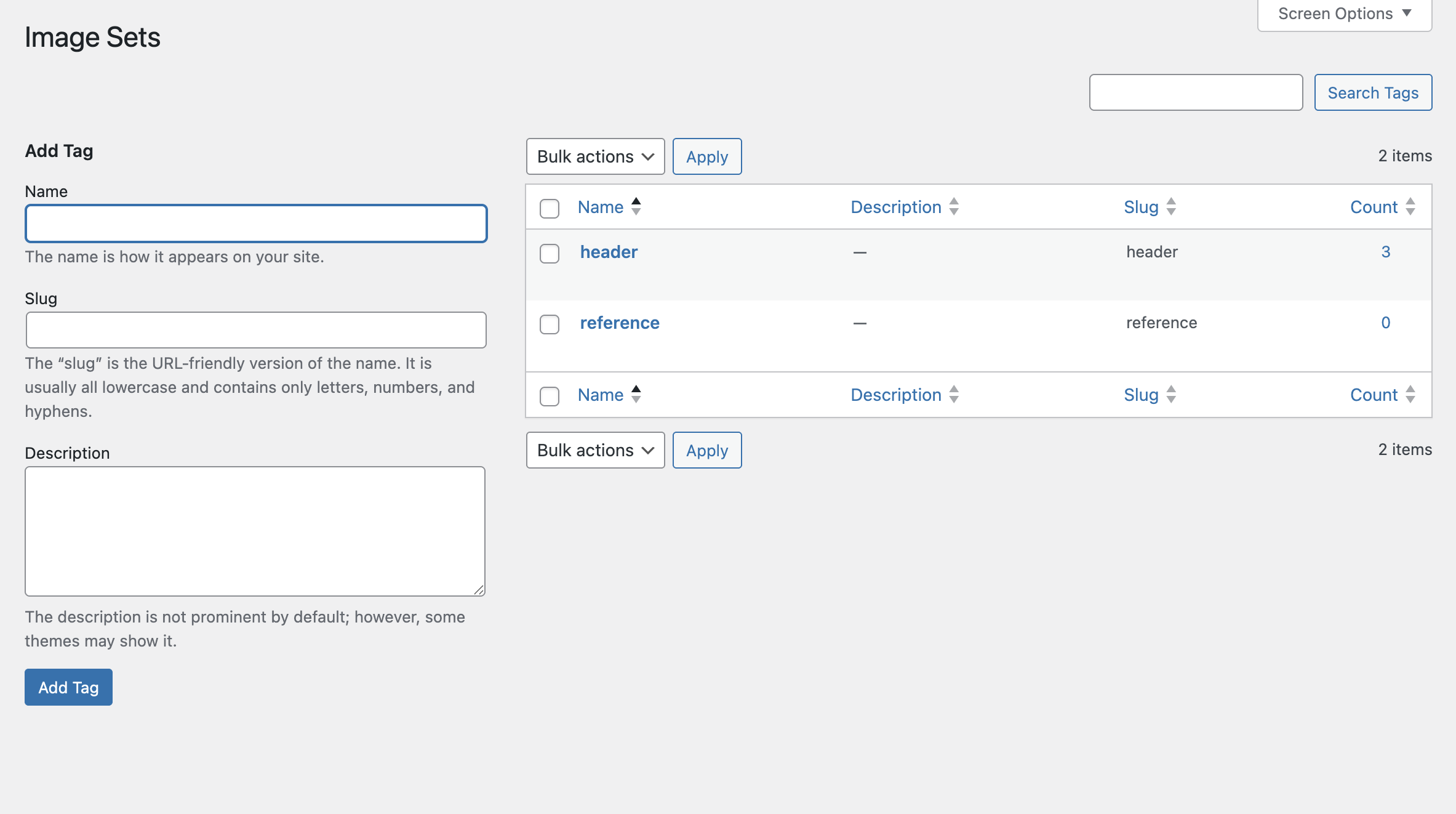
- Image grouping via Image Sets taxonomy
- Optional URL list mode (one URL per line)
- Portable endpoint:
/llama-shuffle/random-image(alias)
- REST API endpoint (no redirects):
/wp-json/llama-shuffle/v1/url?set=header
- Cache controls for performance
- Shortcode support
- No JavaScript required
- No upsells, ads, or telemetry
How to Use
Media Library Mode (Recommended)
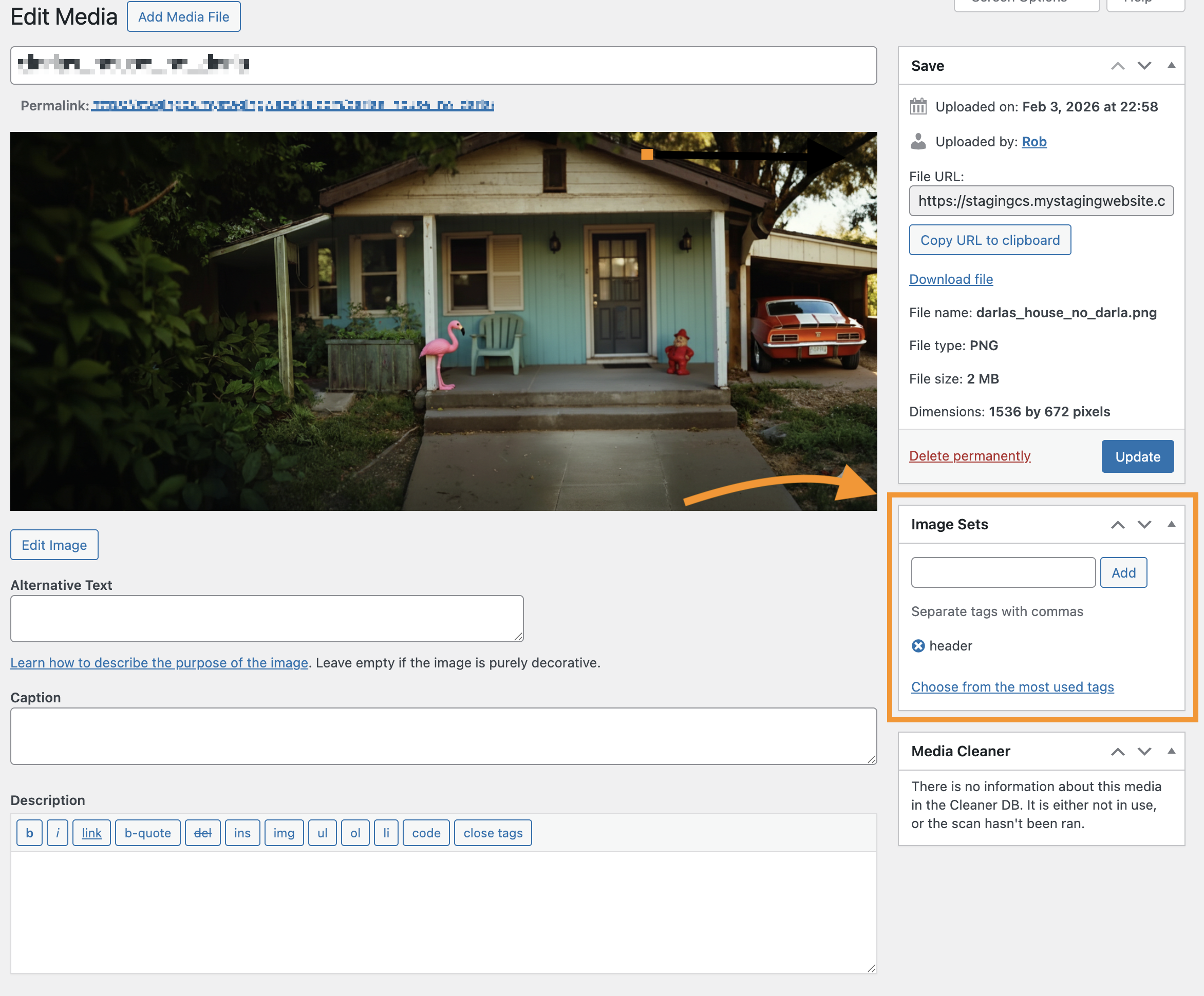
- Go to Media Library (List view works best)
- Edit or bulk-edit images
- Add one or more terms under Image Sets (for example:
header,promo,seasonal) - Set the Default Set in plugin settings
Example endpoints:
/llama-shuffle
/llama-shuffle?set=header
/random-image?set=promo
REST API (Recommended for scripts & AI workflows)
GET /wp-json/llama-shuffle/v1/url?set=header
Response:
{
“set”: “header”,
“url”: “https://example.com/wp-content/uploads/2026/02/example.png”
}
URL List Mode
Switch Source Mode to URL List in settings and paste one image URL per line.
Optional section headers allow multiple pools:
[set:header]
https://example.com/a.jpg
https://example.com/b.jpg
[set:promo]
https://example.com/c.jpg
Shortcode
Display a random image in content:
[llama_shuffle set=”header” alt=”Random image” class=”my-class”]
Developer Notes
Llama Shuffle is intentionally small and dependency-free.
The plugin avoids file-extension-based endpoints (such as .jpg) to remain portable across managed WordPress hosts where static asset handling may bypass WordPress rewrites.
For automation, scripts, or AI workflows, the REST API endpoint is the recommended integration point:
GET /wp-json/llama-shuffle/v1/url?set={slug}
This endpoint returns a direct image URL without redirects and can be safely consumed by external services.
Image pools are implemented as a non-hierarchical attachment taxonomy (llama_image_set). This allows images to belong to multiple sets without duplication.
Candidate image IDs are cached using WordPress transients to reduce database load. Empty caches are automatically refreshed to avoid stale states.
The plugin does not enqueue scripts, register blocks, or add front-end assets. All output is server-side.
There are no external API calls, tracking scripts, or upgrade paths.
Details
Related plugins
Plugins that also contain the tag images
Autoptimize

Recent Posts Widget With Thumbnails

Lightbox & Modal Popup WordPress Plugin – FooBox

Responsive Lightbox & Gallery
Modern Image Formats

Media Cleaner: Clean your WordPress!


About
Plugin for that tries to help you find the WordPress plugin you are looking for.
| Please enjoy an image of Crush (this awesome turtle) and have a lovely day! |  |
We do not own any plugin listed on this site and do not work for or work with WordPress.com or it's associated companies. We simply provide a searchable list of the available WordPress plugins.